1954. The Seaside Open Air Museum was founded in 1954 to preserve the heritage of the seaside fishing village.
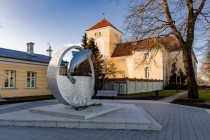
The Livonian Order Castle is one of the oldest medieval fortresses that has survived to this day. In 1290 the castle was first chronicled and this date is now considered to be the year of Ventspils’ foundation.
Valdemārpils (before 1926 – Sasmaka) lies 16 km north of Talsi, on the shore of Lake Sasmaka. An ancient Couronian castle once stood on top of the near-by Dupurkalns hill, also the site of cult activity. The name of Sasm
Igene church is one of the few wooden churches in Latvia, built in mid-18th century and still successfully serving its original purpose. The shape of the dimension, layout and proportions of the church are archaic bearin
Iģene, Vandzenes pagasts, Talsu novads
+371 28741842,+371 26435630
“Jāņkalni” path provides information on the ancestral ornaments, signs, and deities which are our cultural heritage. The educational objective is to acquaint pupils with the customs of ancient Latvians, to he
On the steep Church Hill of Talsi rising above the old town stands the white-stone Church of Talsi – built in 1567 and reconstructed numerous times. In the course of several centuries its architecture was shaped by Roman
Construction of the Livonian Order Castle in Kandava was initiated in year 1254.
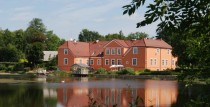
Kukši Manor is a typical manor of the early 18th century. In historical documents it was first mentioned in 1530. The manor was called after brothers Pēteris, Jēkabs and Klāvs Kukši.
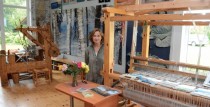
Textile workshop “Austrumi” is located in beautiful surroundings – within a forest enclosure in the vicinity of Saldus.
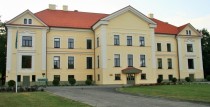
The manor was property of Baron Georg von der Recke (1825-1900). His son Friedrich was the owner of the manor up till the agrarian reform.